Review: I Know a Superhero Nurse T Shirt Design
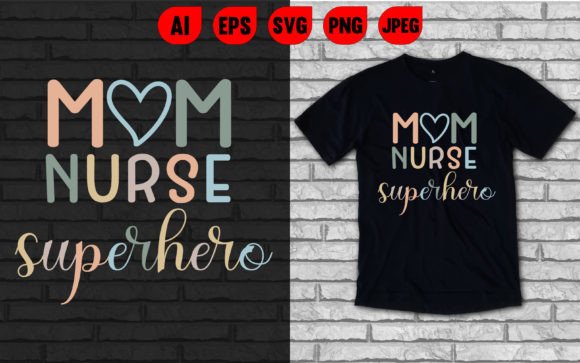
As someone who spends most of their day staring at stitch simulations and thread charts, I approach new T-Shirt Designs with a healthy dose of skepticism. We see countless "nurse appreciation" graphics flood the market every year, but few hold up when you actually try to turn them into a tangible, stitched product. That is why I took a close look at the I Know a Superhero Nurse T Shirt Design. My goal wasn't just to see if it looked cute on a screen, but to determine if it functions as a viable machine embroidery design for real-world applications like custom apparel, boutique merchandise, and personalized gifts.
First Impressions: Mood and Visual Personality
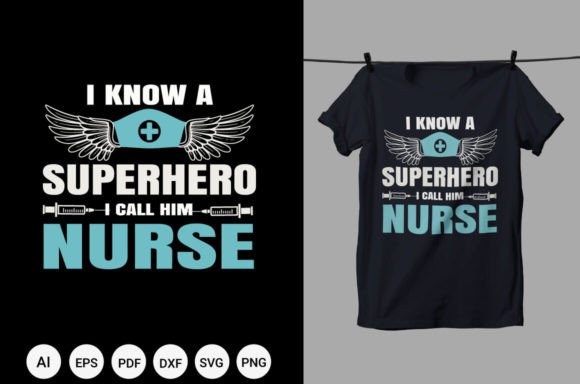
The moment I opened the source files, the mood of the piece became clear. It strikes a balance between playful admiration and professional respect. The layout is clean, avoiding the cluttered feel that often plagues themed graphics. What stands out immediately is the potential for adaptation. Since the file is constructed from 100 vector shapes, the scalability is excellent. For an embroidery designer, this means the core geometry is solid. You aren't fighting against pixelated edges or awkward curves when you resize the artwork to fit a specific hoop or garment area.
The visual personality suggests strength and care, making it ideal for projects meant to celebrate healthcare workers. Whether you are creating a gift for a graduation, a holiday present, or a uniform accent for a small clinic, the theme resonates emotionally. However, as a reviewer, I have to look past the sentiment and focus on the technical execution. The fact that it offers 100 color-changeable options is a massive plus. This flexibility allows us to tailor the thread colors to match specific hospital branding, school colors, or personal preferences without losing the integrity of the image.
Real-World Application: From Screen to Stitch
To truly test this design, I imagined a specific scenario: a local nursing school needed custom sweatshirts for their graduating class. They wanted something more permanent and textured than a heat transfer. This is where the I Know a Superhero Nurse T Shirt Design shines. Because the vectors are resizable, I could adapt the graphic for the back of a heavy fleece sweatshirt without worrying about loss of detail.
In this context, the design works beautifully as a central focal point. If you are an Etsy seller or run a craft business, this versatility is key. You aren't limited to just t-shirts. Imagine applying this to a sturdy canvas tote bag design for carrying medical books, or perhaps a smaller version on a cap for daily wear. The clean lines suggest that it would translate well into a satin stitch for the outlines and a dense fill stitch for the solid areas, providing that premium, raised texture customers love in handmade products.
For those creating digital embroidery files to sell or use commercially, the "ready to print" nature of the vector source means you can generate high-quality printable mockups for your online listings before you even thread the needle. This helps buyers visualize the finished product on dark or light backgrounds, increasing buyer engagement and trust.
Technical Considerations for Embroiderers
While the vector source is robust, moving from a graphic to an embroidery project requires careful planning. The description notes that the design is easy to change color for dark or white t-shirts. In embroidery terms, this translates to managing contrast. If you are stitching this onto a navy blue scrub top, you must ensure your thread colors pop sufficiently. A light grey thread might get lost against dark fabric, so testing your palette on scrap material is non-negotiable.
One area requiring attention is stitch density. Vector shapes can be filled with any pattern, but if the original graphic has large solid blocks, converting these directly to embroidery fills can result in a stiff, board-like feel on the fabric. For a comfortable sweatshirt embroidery or baby item, you might need to adjust the fill pattern to something lighter, like a tatami fill, to maintain fabric drape. Additionally, if you plan to use this on stretchy fabrics like jersey knits, the use of a cut-away stabilizer is essential to prevent the design from puckering over time.
Small details also matter. If the design includes fine text or intricate superhero elements, verify that these features are large enough to stitch out cleanly. Tiny lettering can easily become illegible if the hoop size forces you to shrink the design too much. Always check the minimum recommended size before committing to a project, especially for items like embroidered patches or pocket logos where space is limited.
Fabric and Surface Challenges
Not every surface is created equal. While this design is fantastic for flat panels like the front of a tee or a pillow cover, curved surfaces present challenges. If you attempt to place this on a structured cap, the curvature can distort the "superhero" imagery, making straight lines look bent. Similarly, textured fabrics like heavy towels or waffle knits can interfere with stitch clarity. The needle might sink into the pile, causing the running stitch outlines to disappear. In these cases, a water-soluble topper is highly recommended to keep the stitches sitting on top of the fabric texture.
For baby embroidery, comfort is paramount. Ensure that the back of the stitching is covered or trimmed neatly so it doesn't irritate sensitive skin. The durability of the design is another factor; nurse uniforms undergo frequent, industrial washing. A well-digitized version of this graphic should hold up, but always advise your clients on proper care instructions to preserve the vibrancy of the threads.
Commercial Value and Brand Consistency
For small shop product creators, consistency is everything. The ability to modify colors means you can offer a cohesive line of products. You could create a series where the "superhero" element matches the wearer's specialty—pediatrics, ER, or ICU—by simply swapping thread hues. This level of customization adds significant value to your handmade product offerings and justifies a higher price point compared to generic, mass-produced items.
Furthermore, using a high-quality source file like AI or EPS ensures that your marketing materials look professional. When potential customers see crisp, clean images in your store, it builds confidence in your brand. It signals that you care about quality control, which is crucial for building long-term customer trust.
Final Verdict and Designer Notes
The I Know a Superhero Nurse T Shirt Design is a strong contender for anyone looking to expand their catalog of medical-themed apparel. Its vector foundation provides the flexibility needed for diverse applications, from holiday embroidery gifts to everyday workwear. However, its success ultimately depends on how well you adapt it to the medium of thread.
Before launching into production, here are my practical recommendations:
- Test on Scrap: Always stitch a sample on the exact fabric type you intend to use. Check for puckering and registration issues.
- Check Licensing: Even though the file is ready for print, confirm the specific license terms regarding commercial resale of finished items versus digital files.
- Optimize Density: Don't blindly accept default fill settings. Adjust stitch density to suit the weight of your fabric.
- Contrast Check: View your color choices in black and white to ensure there is enough tonal difference for the design to be readable.
- Stabilizer Selection: Match your stabilizer to the fabric stretch. Heavy knits need support; woven cottons might only need tear-away.
In conclusion, this design offers a solid framework for creative entrepreneurs. It respects the profession it celebrates while offering the technical malleability required for professional embroidery work. With the right preparation and attention to detail, it can become a staple in your lineup of custom apparel and design assets.